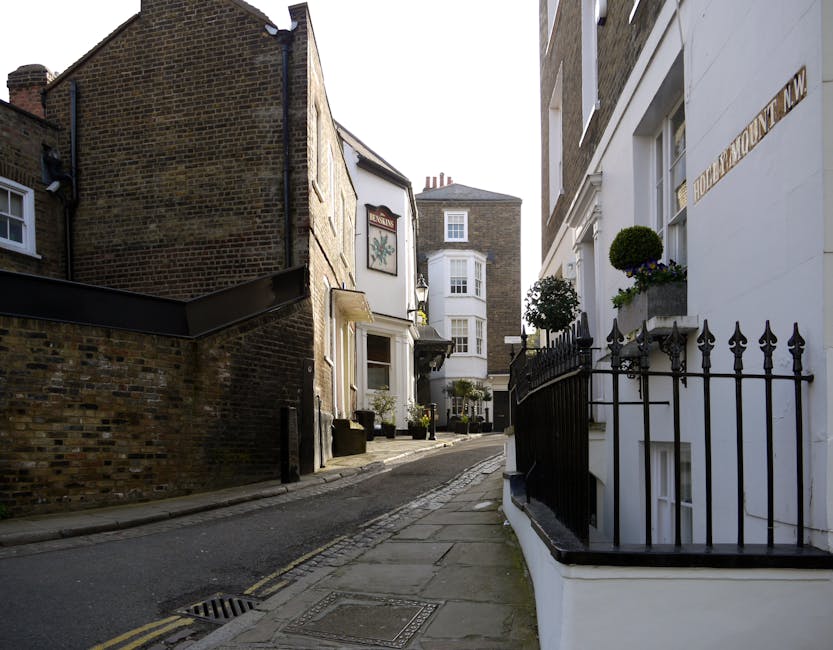
Narrow stair and lift problems for West Hampstead furniture removals
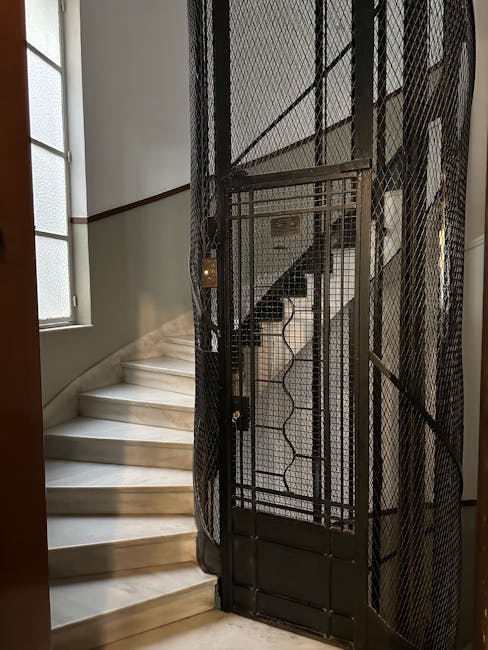
Moving furniture in West Hampstead sounds straightforward until you meet the real challenge: a tight stairwell, a tiny lift, or both. That is usually the point where a normal move turns into a careful bit of problem-solving. If you have ever stood at the bottom of a Victorian staircase wondering how on earth a wardrobe is meant to turn the corner, you are not alone.
This guide explains Narrow stair and lift problems for West Hampstead furniture removals in plain English. You will learn what these access issues actually mean, why they matter, how professional movers work around them, and what you can do before moving day to avoid delays, damage, and a fair bit of stress. We will also cover planning, best practice, safety, and the small details that make a big difference on the day.
Why Narrow stair and lift problems for West Hampstead furniture removals Matters
Access problems are not just an inconvenience. They affect time, labour, safety, and whether your furniture arrives in one piece. In West Hampstead, that matters more than people often expect. Many homes and flats have awkward stair turns, narrow landings, shared entrances, basement levels, or lifts that are useful for shopping bags but not especially keen on a three-seater sofa.
When access is tight, even a simple item can become a two-person job. A dining table may need to be tipped, rotated, and guided through at an angle. A tall bookcase may need extra padding and careful handling to avoid scraping paintwork, bannisters, or the lift doors. A mattress might fit, but only after a few creative manoeuvres and a moment of quiet concentration. Truth be told, that is where experienced movers earn their keep.
It also affects planning. If you know about the issue early, you can choose the right van size, the right team, and the right approach. If you leave it until moving day, you may end up with avoidable delays or an item that simply will not go where you hoped it would. Nobody wants to discover that the sofa has the same opinion as the staircase.
For anyone comparing man and van help, full removal services, or a more flexible house removals package, access is one of the most important details to get right before booking.
How Narrow stair and lift problems for West Hampstead furniture removals Works
At its core, the process is simple: assess the access, protect the property, and move the furniture using the safest route. In practice, there are several moving parts, and they all matter.
1. Access is measured, not guessed
A good mover will want to know more than "there is a lift" or "the stairs are a bit tight." They will ask about staircase width, landing size, ceiling height, doorway clearance, lift dimensions, and whether there are bends, posts, or railings in the way. Those details decide whether an item can be carried upright, sideways, or in sections.
2. Furniture is assessed item by item
Large items are rarely treated as one-size-fits-all. A wardrobe may be dismantled. A sofa may be wrapped and angled. A bed frame may come apart into slats, side rails, and headboard. If you have ever moved a flat-pack unit only to realise the assembled version is the real problem, you will understand why this matters.
3. Protection is added before anything moves
Protective blankets, wrap, straps, corner guards, and floor coverings reduce damage risk. In narrow communal spaces, this is not optional in any sensible move. A lift door scuff is one thing; a damaged bannister or scratched wall can become a much bigger headache.
4. The route is planned in advance
Sometimes the lift is the best option. Sometimes the stairs are actually easier, especially if the lift is small, slow, or shared with neighbours. And sometimes neither is ideal, which is when the team needs to think carefully about angles, item order, and whether temporary dismantling will save time.
5. Loading and unloading are coordinated
The move should follow a logical order. Items that are hardest to handle are usually moved first or last, depending on the layout. That sounds small, but it saves a lot of awkward backtracking. A corridor can feel very different after the third trip, especially if someone is still trying to squeeze past with a lamp shade.
Key Benefits and Practical Advantages
Handling stair and lift restrictions properly is not just about avoiding damage. It can improve the whole moving day.
- Less risk of damage: Careful handling reduces the chance of scuffed walls, broken fittings, and scratched furniture.
- Faster progress: When access is planned correctly, the team spends less time stopping, checking, and reworking the route.
- Better safety: Tight turns and heavy lifting are a common cause of slips, strain, and dropped items.
- Lower stress: Clear planning makes the day feel calmer, which helps everyone involved.
- More accurate quotes: Good access information helps the mover price the job more honestly from the start.
- Fewer disputes: When expectations match reality, there is less chance of arguments about delays or extra work.
A practical upside that people sometimes miss: good access planning can help with building relationships too. In shared blocks, neighbours notice whether a move is tidy, quiet, and respectful. That matters in West Hampstead, where communal hallways and limited parking can make everyone a bit more alert than usual.
Expert summary: Narrow stairs and small lifts do not make a move impossible. They simply shift the job from "lifting furniture" to "managing access". That is a very different skill.
Who This Is For and When It Makes Sense
This kind of planning is useful for anyone moving from or within flats, maisonettes, converted houses, mansion blocks, or older properties where access is not generous. In West Hampstead, that covers a lot of people.
It makes especially good sense if you have:
- large sofas, wardrobes, sideboards, beds, or American-style fridge freezers
- curved, steep, or split-level staircases
- a lift that is too small for furniture but still tempting to try
- shared entrances or narrow communal corridors
- valuable or fragile items that need extra protection
- limited parking, which means items must be carried further
It is also relevant for office or commercial moves. Desks, pedestal units, conference tables, filing cabinets, and IT equipment may all face the same access issues. For those moves, a specialist office removals service or a broader commercial moves plan often makes the process smoother.
If you are simply moving one or two items, a lighter-touch option may be enough. If you are moving a whole flat, a full-service team is usually the safer choice. There is no prize for doing a back-breaking lift with a bookshelf and regretting it halfway up the stairs.
Step-by-Step Guidance
If you want a move to go well, the smartest thing is to treat access as part of the plan, not as an afterthought. Here is a practical sequence that works in real life.
- Measure the access properly. Note stair width, landing depth, lift size, doorway heights, and any awkward bends.
- List your largest items. Write down sofas, mattresses, wardrobes, tables, appliances, and anything bulky or fragile.
- Check what dismantles. Beds, some wardrobes, dining tables, and shelves often come apart more easily than people expect.
- Photograph the route. A few clear pictures of the lift, stairs, and entry points can help a mover judge the job accurately.
- Speak about timing. If the lift is shared, busy times may slow everything down. A quieter slot can make a real difference.
- Confirm protection needs. Ask about blankets, wrap, floor protection, and corner guards.
- Plan the loading order. Put the most awkward items first or last depending on your layout and packing stage.
- Prepare the building. Tell neighbours if needed, reserve lift time if possible, and keep entrances clear.
- Allow for margin. Tight access nearly always takes a little longer. Better to build that in now than panic later.
If you are using packing and unpacking services, tell the team which boxes contain fragile items and which furniture pieces must be dismantled before the move starts. That one detail saves a surprising amount of faffing about.
Expert Tips for Better Results
These are the small things experienced movers tend to do almost automatically, because they save time and prevent silly mistakes.
Use the lift only when it genuinely helps
A lift is not always the easiest route. If it is tiny, slow, or shared with residents, the stairs may actually be more efficient for smaller items. A good mover will weigh up both options rather than assuming the lift must be used. Sometimes the "obvious" choice is not the best one.
Take furniture apart earlier than you think
Many people wait until moving day to dismantle furniture. That is usually too late. Doing it beforehand gives you time to keep screws, fixings, and brackets together properly. Put them in labelled bags. Not glamorous, but it works.
Protect the route, not just the item
Blankets around a wardrobe are useful, yes. But the bannister, floor, lift doors, and hallway corners need protection too. A move can look careful from the outside and still leave a mark if the route was not thought through.
Keep one person focused on pathing
In narrow access jobs, one person should be watching the route while others carry. That reduces collisions, bad turns, and those awkward "a bit left, no your other left" moments we all pretend we enjoy.
Use the right van size
Choosing a van that is too big for the site can create more problems than it solves. In some West Hampstead streets, a compact vehicle is easier to position and unload from. For flexible local jobs, a moving van or removal van can be the better fit than going large by default.
Ask about insurance and process
It is sensible to understand how the mover handles property protection and damage risk. Reputable firms will explain their approach in plain terms and point you towards their insurance and safety information if needed.
Common Mistakes to Avoid
Most access problems are manageable. The trouble starts when people make the same avoidable mistakes.
- Underestimating the size of furniture: A wardrobe that "looks fine" in the bedroom may be impossible on the landing.
- Assuming the lift will solve everything: Many lifts in older buildings are too small for bulky items, even if they seem roomy enough for a quick glance.
- Forgetting ceiling height: Stairs are not just about width. Tall items can hit the ceiling on turns.
- Not measuring the narrowest point: One awkward bend or radiator can be the real blocker.
- Leaving dismantling until the last minute: This often causes delays and scratched parts.
- Ignoring communal rules: Shared blocks may have access windows, lift restrictions, or house rules.
- Not telling the mover about the awkward item: The one hidden problem is usually the one that causes the biggest delay.
And yes, sometimes the mistake is simply optimism. Lovely thing, optimism. Not always useful when a chest of drawers meets a stairwell.
Tools, Resources and Recommendations
You do not need a van full of specialist kit to manage a narrow access move, but a few practical tools help a lot.
- Tape measure: Use it on the narrowest points, not the widest.
- Phone camera: Photos of stairs, lifts, and entrances help with planning and quoting.
- Labels and marker pens: Useful for dismantled furniture, screws, and box contents.
- Furniture blankets and wrap: Protect both furniture and surfaces during turns.
- Straps and trolleys: Helpful when moving heavier items along level ground or through longer corridors.
- Floor protection: Especially useful in flats with polished floors or tight communal areas.
If you are comparing providers, look at the shape of the service as much as the headline price. A move involving stairs or lift access often benefits from a broader removal company or a practical movers team rather than a bare-minimum quote. If you only need a smaller local job, a man with van or man with van removal setup may be enough.
For budget planning, it is worth checking pricing and quotes carefully so that access difficulties are included properly. A quote that ignores the staircase usually ends up being the quote that feels least helpful on moving day.
Law, Compliance, Standards, or Best Practice
For a furniture removal, the main concern is less about obscure legal detail and more about sensible UK best practice. That said, a trustworthy mover should still work in a way that supports safe handling, reasonable care, and clear communication.
In practical terms, that means:
- taking care not to damage common areas or neighbouring property
- lifting and carrying in a way that reduces the chance of injury
- using equipment that is suitable for the job
- being honest about limits where access makes the move unsafe
- following the building's reasonable access arrangements
For larger or more complex work, many customers also value firms that publish clear policies on safety, complaints, accessibility, and payment. Those pages are not just paperwork. They show how the business thinks. If you want to review the practical side of service expectations, you can look at the company's health and safety policy, terms and conditions, and recycling and sustainability information.
If a building has its own rules about lift booking, corridor use, or move-in timings, those should be respected too. It sounds obvious, but it saves trouble. A good move is cooperative. A great move is almost invisible to everyone else in the building.
Options, Methods, or Comparison Table
Different access problems need different solutions. Here is a simple comparison to help you think clearly before booking.
| Method | Best for | Strengths | Limitations |
|---|---|---|---|
| Use the lift | Smaller flat items, boxes, lighter furniture | Less physical effort, useful for repeated trips | May be too small, slow, or restricted by building rules |
| Use the stairs | Items that fit better at an angle or need controlled carrying | Often more flexible than a cramped lift | Hard work, especially on tight turns or upper floors |
| Dismantle furniture | Wardrobes, beds, tables, shelving | Often the safest way to make awkward items manageable | Takes time and needs proper labelling |
| Use specialist handling | Heavy, fragile, or high-value pieces | Best control and reduced risk | May require more labour and planning |
| Choose a smaller vehicle | Restricted streets and local access | Easier parking and unloading | May need more trips if the load is large |
In many real moves, the answer is not one method but a blend of two or three. A sofa might go through the lift, a wardrobe may be dismantled for the stairs, and boxes may travel in a smaller van with easier parking. Slightly messy on paper. Very effective in practice.
Case Study or Real-World Example
Imagine a two-bedroom flat in West Hampstead with a small communal lift and a staircase that turns sharply at the first landing. The main challenge is a three-seat sofa, a double bed frame, and a tall bookcase. On paper, the move looks ordinary. In the building, it is anything but.
Here is how it might be handled sensibly. First, the movers ask for photos and measurements. They see that the lift will take boxes and smaller items, but not the sofa or the bookcase. The bed frame is dismantled the day before, with fixings kept in a labelled envelope. The sofa is measured and wrapped, then carried with one person guiding the angle at the stair bend. The bookcase is emptied fully and moved separately, with the shelves taped together to stop wobble.
The result is not flashy. No heroic drama. Just a calm, orderly move that avoids wall marks and keeps the hallway clear for neighbours. That is usually what customers want, after all. Not a story. A smooth finish.
When this kind of move is planned properly, it often feels almost boring by the end. Which is actually brilliant. Boring is underrated in removals.
Practical Checklist
Use this checklist before moving day if you are dealing with narrow stairs, a small lift, or both.
- Measure the narrowest stair, landing, doorway, and lift points
- List your biggest and heaviest items
- Take photos of the route and entrance
- Check what can be dismantled safely
- Label screws, bolts, and fittings clearly
- Protect furniture with wrap or blankets
- Protect floors, corners, and lift edges where possible
- Confirm lift booking or building access rules
- Warn neighbours if the building is shared
- Choose the right van size for the street and load
- Ask about insurance, safety, and handling approach
- Build in extra time for awkward access
One small tip that people often appreciate: keep water, keys, and essentials separate from the rest of the move. When the building is warm, the stairs are narrow, and everyone is trying to avoid bumping the bannister, you will be glad you did.
Conclusion
Narrow stair and lift problems do not have to make furniture removals stressful. They just need a more thoughtful plan. In West Hampstead, where older buildings, compact lifts, and tight access are part of daily life, the difference between a frustrating move and a smooth one usually comes down to preparation.
Measure carefully, describe the problem honestly, choose the right moving method, and give yourself a bit of breathing room. That is the simple version. The better version is even calmer: know your route, know your furniture, and work with people who understand what tight access really means. It makes the whole day feel easier, and honestly, that relief is worth a lot.
If you are planning a move with awkward access, now is the right time to get clear advice and a quote that reflects the real job rather than the ideal one.
Get a free quote today and see how much you can save.
Frequently Asked Questions
What counts as a narrow stair or lift problem in furniture removals?
It usually means any staircase, landing, corridor, or lift that makes it difficult to carry furniture safely without tipping, turning, or dismantling items. Even a small bend can be enough to change the whole plan.
Can furniture always go in the lift if it fits through the doors?
Not always. Door clearance is only one part of the picture. Internal lift size, weight limits, door swing, and the shape of the item all matter. A piece can fit through the doors and still be awkward or unsafe inside the lift.
Should I dismantle furniture before the movers arrive?
Yes, if it is safe and practical to do so. Beds, some wardrobes, and shelving often move much better in parts. If you are unsure, ask the mover in advance so you do not waste time on the day.
Is a man and van service suitable for narrow stair moves?
It can be, especially for smaller moves or fewer items. The key is whether the service understands access issues and has the right equipment. For heavier or more complex moves, a fuller removal setup may be safer.
How do movers protect walls and bannisters in tight spaces?
They typically use blankets, wrap, corner protection, and careful spotting while carrying. The exact method depends on the building, but protecting the route is just as important as protecting the furniture.
Will narrow access make my quote more expensive?
It often can, because it may take more time, more labour, or additional planning. That said, an accurate quote is better than a cheap estimate that changes later. Surprises are rarely welcome in removals.
What if my sofa or wardrobe does not fit at all?
Then dismantling, specialist handling, or a different route may be needed. Sometimes the best solution is to remove legs, doors, or panels. In some cases, the item may need a different lifting approach entirely.
Do shared lifts cause delays during house removals?
They can. If neighbours are using the lift or if the building has access restrictions, the move may take longer. Planning a quieter time can help a great deal.
How much notice should I give a mover about access problems?
As early as possible. The more time they have to assess photos, measurements, and item sizes, the better they can plan the van, crew, and route.
What should I tell the removals team before moving day?
Tell them about stair width, lift size, parking limits, heavy items, fragile furniture, and anything that has to be dismantled. A few honest details at the start save a lot of stress later.
Are narrow stair moves more likely to cause damage?
They can be if they are rushed or poorly planned. But with proper protection, the right equipment, and a careful route, the risk can be reduced significantly.
What is the best type of service for a flat with very tight access?
That depends on how much you are moving. A small local job may suit a flexible removals near me search result or a compact vehicle. Bigger moves usually need a more structured service such as house movers or a dedicated removal company.