Parking and permit rules for West Hampstead removals Camden Council
If you are planning a move in West Hampstead, parking can become the part that quietly makes or breaks the day. The boxes may be packed, the lift might be booked, and the keys could be ready in your pocket - but if the van cannot stop legally, the whole job starts to fray. This guide explains the practical side of Parking and permit rules for West Hampstead removals Camden Council, so you know what matters, what to check, and how to avoid the classic last-minute scramble.
West Hampstead is one of those London areas where space is tight, streets can be busy, and a "quick stop" is rarely as quick as people hope. To be fair, that is exactly why a bit of planning pays off. Whether you are moving a flat, a family home, or an office, this article walks through the key rules, the usual risks, and the sensible steps that keep moving day calm.
Why Parking and permit rules for West Hampstead removals Camden Council Matters
Parking rules are not just admin. In a move, they affect timing, safety, access, and cost. A van double-parked in a narrow Camden street can block traffic, create awkward loading conditions, and put pressure on everyone involved. Add in neighbours trying to get out, delivery vans arriving, and the sound of doors opening and shutting on a weekday morning, and you can see why a proper parking plan matters.
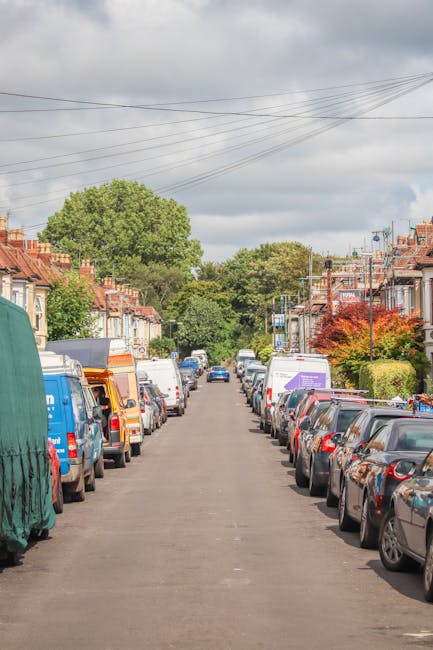
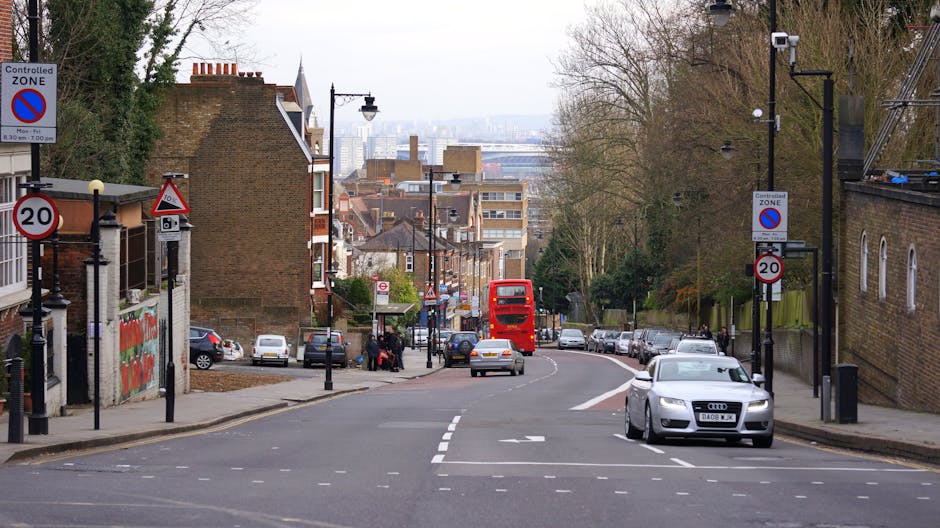
In West Hampstead, the streets around residential blocks, side roads, and busier routes can be unforgiving for removals vehicles. Space often looks available until you notice a bay restriction, a loading limit, a single yellow line, or a resident-only zone. That is the problem: what looks possible is not always lawful. And with removals, being "nearly right" is still wrong.
A good understanding of Camden Council parking and permit requirements helps you:
- avoid tickets, complaints, and unnecessary delays
- reduce the risk of the van being forced to park far from the property
- keep moving crews safer when carrying furniture and heavy boxes
- protect your timetable on a day when every 10 minutes seems to disappear
If you are arranging support through a man and van or planning a bigger move with a removal company, parking is one of the first things worth sorting, not the last.
How Parking and permit rules for West Hampstead removals Camden Council Works
The basic principle is straightforward: if a removals vehicle needs to stop, wait, or load in a restricted place, it may need the correct permission or may need to use a lawful loading area. The exact rules depend on the street, the time of day, the type of bay or restriction, and whether the vehicle is covered by any temporary dispensation or suspension.
For most people, the process works like this:
- Check the address and street layout. Is there resident parking, pay-by-phone parking, loading only restrictions, single yellow lines, or a controlled zone nearby?
- Confirm the access requirements. Is it a ground-floor flat with easy loading, or an upper-floor property where the van may need longer on-street time?
- Decide whether a permit, suspension, or dispensation may be needed. For some streets, especially busy or narrow ones, a temporary arrangement can make the day much easier.
- Allow time for loading and unloading. Removal days always take longer than people think. Always.
- Keep proof and instructions to hand. Drivers and movers need to know what has been booked, where to park, and what to do if the space is blocked.
One thing that catches people out is assuming a "removals van" can just stop anywhere for a short period. In practice, a short stop is still a stop. If the street is controlled, the vehicle and the activity still have to fit within the rules. That is true whether you are moving a sofa, office desks, or three years' worth of books that somehow multiplied while you were not looking.
It is also worth remembering that some properties in West Hampstead are on roads with limited lay-by space or active daytime traffic. A moving truck may need more room than a standard van, so the vehicle choice itself can affect the parking strategy. If you are comparing vehicle options, pages such as moving van and removal van can help you think through the practical fit before moving day.
Key Benefits and Practical Advantages
When parking is handled properly, the benefits are more noticeable than most people expect. You feel them in the pace of the day, the mood of the crew, and the amount of standing around in the cold with a kettle that has gone cold again.
| Approach | What it usually gives you | Typical downside if ignored |
|---|---|---|
| Planned parking and permit checks | Faster loading, fewer delays, clearer access | Small admin burden before the move |
| Last-minute street parking | Feels flexible at first | Higher chance of fines, blocked access, longer carry distance |
| Using a crew familiar with local conditions | Better judgement on where a van can safely stop | May cost slightly more than a casual arrangement |
| Booking the wrong size vehicle | Sometimes works for very small moves | More trips, more stress, more exposure to parking problems |
The practical wins are easy to see:
- Less stress: you are not trying to solve parking while the hallway is full of boxes.
- Better safety: fewer long carries reduce the chance of dropped items and strained backs.
- Cleaner timing: people can plan key handover, cleaning, and school runs more reliably.
- Lower disruption: neighbours and building managers are less likely to complain when the vehicle is positioned sensibly.
If the move is business-related, parking certainty can be even more valuable. Offices often have furniture, screens, archive boxes, and access timing to juggle. In those cases, services like office removals or commercial moves usually benefit from a tighter parking plan than a standard domestic move.
Who This Is For and When It Makes Sense
This topic matters to almost anyone moving in West Hampstead, but some people need it more than others.
- Flat movers: especially if the property is on a busy road or in a managed block.
- Families moving house: larger loads usually mean longer loading times and more vehicle space.
- Office teams: workstations, file storage, and IT equipment tend to create more access pressure.
- Landlords and agents: if you are arranging removals for tenants, it helps to know what can be parked where.
- People using a small van service: even a modest move can run into trouble if parking is tight.
This is also relevant when you are comparing the type of move you need. A compact single-person job might work well with a man with van setup, while a full household move may need a more structured house removals service. The parking needs are usually different, and it is better to match the plan to the reality of the street rather than the ideal version in your head.
And if you are moving furniture rather than an entire property, the same logic still applies. A quick furniture pick up may seem simple, but if the vehicle has nowhere legal to pause, simple becomes awkward very quickly.
Step-by-Step Guidance
Here is a practical way to handle parking and permit planning without turning it into a full-time project.
- Map the exact pickup and drop-off points. Do not just think "West Hampstead." Think the actual street, the side of the road, the building entrance, the nearest loading area, and any obstacles like narrow gates or garden walls.
- Check the road conditions for both addresses. The old place and the new place can have completely different restrictions. That catches people out all the time.
- Measure the job honestly. One sofa, a bed, and five boxes is not the same as a three-bedroom move. If the volume is larger, consider whether a bigger vehicle or a two-person team is more realistic.
- Ask whether a permit, dispensation, or suspension is needed. Do this early. Leaving it to the day before is where the problems start stacking up.
- Build in buffer time. On paper, loading might look like 30 minutes. In real life, it often takes longer. Someone loses a key, a lift gets busy, the mattress will not turn the corner. Normal stuff.
- Confirm who is responsible for parking. If you hire movers, make it clear who is checking the rules, who is speaking to the building manager, and who is directing the van on arrival.
- Keep the driver updated on the day. A blocked bay or a surprise road closure changes the plan, so stay reachable.
For many people, it also helps to bundle parking planning into the wider move preparation. If you are already arranging boxes, fragile items, and wrapping materials, look at packing and unpacking services as part of the same conversation. Better packing usually means faster loading, which in turn reduces parking pressure. Everything connects, annoyingly enough.
Expert Tips for Better Results
Here are the things that tend to make a real difference on the ground.
- Use the smallest suitable vehicle, not the smallest possible vehicle. Too small means extra trips. Too large can make parking and manoeuvring harder.
- Think about time of day. School runs, peak traffic, and bin collection times can all affect how easy it is to pause safely.
- Speak to the building manager early if you have one. A concise email or phone call can prevent awkward surprises at the door.
- Keep valuables and essentials separate. That way, if there is a delay outside, you are not rummaging through ten boxes to find a charger or passport.
- Use labels that help with speed. "Kitchen - first" or "Office - monitor" can save minutes when the van is parked and time matters.
A small but useful point: if your move is near a narrow terrace or a one-way road, the best parking spot is not always the one closest to the front door. Sometimes it is the one that allows a safer reverse, easier unloading, and less risk of blocking traffic. That is the kind of judgement you want from experienced movers, because on a wet London morning, being a little further away can actually be the smarter choice.
Also, do not underestimate the value of clear communication. A well-run move often sounds boring from the outside: quick updates, clean instructions, someone saying "park there, not there." That boring bit is what saves the day.
Common Mistakes to Avoid
A lot of parking trouble comes from a few predictable mistakes. The good news is that most of them are avoidable.
- Assuming "just a few minutes" is harmless. It may still breach a restriction.
- Forgetting the return journey. You may need space at the new address as well as the old one.
- Not checking height, width, or turning room. West Hampstead roads can be tight, and a vehicle that fits on paper may not feel easy in person.
- Leaving the planning to the morning of the move. That is where stress multiplies.
- Ignoring neighbours and building access rules. It is rarely worth turning a move into a complaint.
- Choosing a service only on price. Cheap can become expensive if parking goes wrong, especially when time is lost.
One more, and this one is sneaky: people often forget to ask what happens if the nearest legal space is occupied. If you are working with a team that understands removal services, they should already have a backup plan. If they do not, you want to know that before moving day, not while the mattress is halfway out the door.
Tools, Resources and Recommendations
You do not need a complex toolkit, but a few things make the process much smoother:
- Street-view style route checking: useful for spotting narrow roads, turns, and likely stopping points.
- Printed move notes: handy for drivers, helpers, and anyone not constantly on their phone.
- Floor plans or room labels: reduce unloading confusion and make access faster.
- Protective covers and trolleys: helpful when the carry distance is longer than expected.
- Clear payment and booking information: if you are hiring help, it is useful to understand the terms and any deposit or payment timing in advance.
If you want a better sense of the company side of the move, the pages on pricing and quotes, payment and security, and insurance and safety are useful companion reading. They help you judge not only what the move might cost, but how carefully the job is likely to be handled.
For household relocations, it can also help to look at home moves, house movers, and house removalists if you are comparing service styles. Different teams work in different ways. Some are a better fit for tight streets; some are better for larger loads. No magic, just matching the job.
Law, Compliance, Standards, or Best Practice
Parking and loading rules in London are not something to treat casually. In practice, you need to follow the restrictions that apply to the street, the bay, the time band, and the type of activity taking place. That may include permits, loading allowances, temporary suspensions, or other council-managed arrangements, depending on the location and the circumstances.
It is sensible to treat compliance as part of the move itself, not a side issue. Best practice usually means:
- checking restrictions in advance rather than relying on guesswork
- keeping evidence of any permission or booking
- making sure vehicles stop only where lawful and safe
- not blocking access for pedestrians, residents, or emergency routes
- using trained crews who understand London loading conditions
There is also a broader duty of care angle. A well-run move should reduce the risk of injury, avoid damage to property, and keep the public highway clear wherever possible. That is why experienced operators usually place parking and access planning alongside their internal processes for handling fragile items, lifting, and route planning.
If you are moving a business and need a smoother setup, a specialist office relocation services approach can be especially useful because it tends to account for access windows, building rules, and timing constraints in a more disciplined way.
Options, Methods, or Comparison Table
There is no single perfect parking method for every move. The right choice depends on the property, the vehicle, and how much time you need.
| Method | Best for | Watch out for |
|---|---|---|
| Standard street parking | Very small moves where lawful space is easy to find | Risk of distance from the property and limited loading time |
| Temporary permit or suspension | Busy streets, longer loading jobs, managed access | Needs advance planning and correct booking |
| Smaller vehicle with more trips | Light loads, narrow access, short local moves | Can increase total time and effort |
| Larger removals vehicle | Full house moves, offices, bulky furniture | Harder manoeuvring and more parking pressure |
In plain terms: the more difficult the street, the more valuable a proper parking plan becomes. If you are unsure whether a compact van or a larger vehicle is the better choice, removals and removals near me style services can be helpful when you are comparing local support, especially if the move is not just a couple of bags and a chair.
Case Study or Real-World Example
Picture a typical Friday move in West Hampstead. A one-bedroom flat needs clearing before the keys are handed over at 3 p.m. The road is busy, residents are coming and going, and there is only limited room to stop outside the building. The original plan was to "just park nearby." Nice idea. Not realistic.
Instead, the move is approached properly. The crew checks the likely access points, agrees a stop location that allows safer unloading, and arrives with a vehicle sized to suit the job. The client has already labelled boxes, the lift usage is known, and the heaviest items are ready first. Nothing dramatic happens. Which, frankly, is exactly the point.
Because the parking is thought through, the team avoids repeated repositioning. The carry distance is manageable. Neighbours are not blocked in. The schedule holds together. The move still feels busy, because moves always do, but it does not become chaotic.
That is the difference between improvising and planning. The first one feels cheap. The second one usually is cheaper in the end.
Practical Checklist
Use this as a quick pre-move check. It is simple, but it covers the things people forget when they are busy wrapping mugs and hunting for tape.
- Confirm the exact pickup and delivery addresses
- Check street restrictions at both ends of the move
- Decide whether the vehicle needs a permit, suspension, or other permission
- Match the vehicle size to the load
- Allow extra time for loading and unloading
- Tell the mover about stairs, lifts, narrow entrances, or awkward corners
- Keep a contact number available on the day
- Separate essentials from the rest of the boxes
- Prepare for wet weather, because London weather likes a bit of drama
- Keep proof of booking, instructions, and any agreed access arrangements handy
If you want a lighter-touch move, a man with a van setup can be suitable for smaller jobs, while larger or more complicated jobs may be better handled by a broader removal company service. The key is not the label. It is whether the parking plan fits the job.
Get a free quote today and see how much you can save.
Conclusion
Parking and permit rules can feel like background noise until the move starts, and then they become the whole story. In West Hampstead, where streets are often narrow and parking is rarely generous, getting the rules right is one of the smartest things you can do. It keeps the day moving, reduces risk, and gives everyone a bit more room to breathe.
The safest approach is simple: check the restrictions early, match the vehicle to the space, and make sure the move plan includes the parking plan. That one habit saves a surprising amount of stress. Truth be told, it also makes the whole process feel more professional and less like a lucky guess.
With a little preparation, your move does not have to be a parking headache. It can just be a move. A busy one, yes. But manageable, and that is a good feeling.
Frequently Asked Questions
Do I need a permit for removals parking in West Hampstead?
It depends on the street, the restriction in place, the duration of stopping, and the type of vehicle. Some moves need a permit or temporary arrangement, while others may fit within lawful loading rules. Check the exact location rather than assuming.
Can a removals van stop on a yellow line for a short time?
Sometimes loading or unloading may be allowed, but only if the circumstances and restrictions permit it. A short stop is not automatically fine just because it feels brief. The key is whether the stop is lawful under the actual local restriction.
What is the safest way to plan parking for a Camden move?
Start with the exact street, assess the access at both addresses, confirm restrictions, and build in extra time. If the road is tight or heavily parked, get the parking plan sorted before move day, not during it.
How early should I sort parking and permit arrangements?
As early as possible. A few days ahead is much better than the morning before. For more complicated moves, earlier still. Last-minute planning is where avoidable problems tend to appear.
What if the space outside my flat is already taken?
You should have a backup plan. That might mean a nearby lawful stop point, a different loading bay, or a revised arrival time. Good removals teams usually plan for this, because it happens more often than people expect.
Is a small man and van service easier for West Hampstead parking?
Often, yes, because a smaller vehicle can be easier to position in tight roads. But smaller does not mean simple in every case. If the load is bigger than expected, you may still need multiple trips, which can create its own parking issues.
Do office moves need different parking planning from house moves?
Usually they do. Office moves can involve more items, tighter timing, and building rules around access. That is why office removals often benefit from a more structured plan than a standard domestic move.
What should I tell the removals team before the day?
Tell them the exact address, any access limits, whether there are stairs or lifts, where the van can reasonably stop, and whether there are any time restrictions. The more honest the detail, the better the plan. Simple as that.
Can parking rules affect the cost of my move?
Yes, indirectly. If parking is difficult, the move may take longer or require a larger vehicle, more labour time, or extra planning. That is why accurate quotes usually depend on knowing the access conditions, not just the inventory.
What is the difference between loading and parking during a move?
Loading means the vehicle is being used to move items on or off. Parking is simply stationary use of the space. The distinction matters because some restrictions treat them differently, and you should not assume they are the same.
Should I book packing help as well as parking planning?
If the move is larger or time-sensitive, yes, it can help. Better packing usually means faster loading, which reduces the pressure on parking and access. A well-packed move is often a calmer move.
What if I'm not sure which service level I need?
That is completely normal. Smaller moves may suit a man and van removals approach, while larger jobs may need fuller support. If in doubt, compare the load, the access, and the street conditions before deciding.